The Unlikely Lab How TikTok Became the New Technical Center for Modern Youth
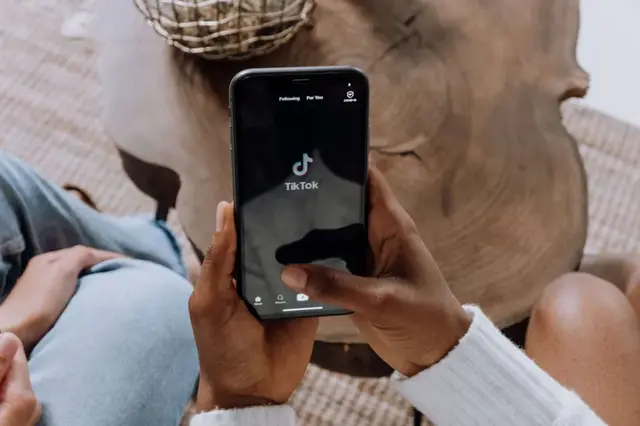
If you asked a professional developer twenty years ago where the next generation would learn to write code or build hardware, they might have pointed toward a prestigious university or perhaps a dense textbook. They certainly would not have pointed toward an app famous for lip syncing and viral dances. Yet, as we move through 2026, the digital landscape has shifted in ways that many experts failed to predict. TikTok has evolved from a mere source of entertainment into a bustling hive of technical knowledge. It is now the primary laboratory for the youth of today.
This transition did not happen by accident. For many young people, the traditional search engine feels like a relic of a distant past. While Google provides a list of links that require digging through layers of advertisements and walls of text, TikTok offers something different. It provides immediate visual proof. When a young person wants to understand how a specific piece of software works or how to assemble a custom computer, they do not want to read about it. They want to see it happen in real time. This visual confirmation creates a level of trust that a static article simply cannot match.
We are witnessing the rise of what many call TechTok. This is a massive community where creators distill complex subjects into brief videos. Imagine trying to explain the logic behind a neural network in sixty seconds. It sounds impossible, but for the creators on this platform, it is a daily challenge. They use creative editing and clever metaphors to make the most intimidating topics accessible. This is the democratisation of technical education. It removes the gatekeepers and the high costs of entry. Anyone with a smartphone can now access lessons on cybersecurity, data science, or mobile app development without spending a penny.
The appeal lies in the format of micro learning. Our brains are increasingly wired for concise information. This is not necessarily a sign of a shorter attention span but rather an evolution in how we filter data. In a world where we are constantly bombarded with information, the ability to get to the point is a vital skill. Young people are using TikTok to learn the basics of a new programming language during their commute or while waiting for a friend. These small bursts of knowledge eventually accumulate into a solid foundation of technical literacy.
Furthermore, the platform has fostered a unique culture of collaborative learning. Unlike the solitary experience of reading a manual, TikTok is inherently social. If a viewer does not understand a specific step in a tutorial, they can simply check the comments section. Often, they will find dozens of other users explaining the concept in different ways or providing tips to avoid common mistakes. This creates a virtual classroom that never sleeps. It is a peer to peer network where the distinction between teacher and student is constantly blurring.
Businesses and recruiters are starting to take notice of this shift. It is no longer unusual for a young job seeker to cite a specific TikTok creator as their primary source of inspiration for a project. In fact, many companies are now using the platform to find talent. They look for creators who can explain technical concepts clearly, as this demonstrates both deep understanding and excellent communication skills. The ability to teach a complex idea in a short video is becoming a highly valued asset in the modern job market.Many youths download TikTok Videos with RawTik.
However, this new era of social learning is not without its hurdles. With so much information being shared so quickly, the risk of misinformation is always present. A popular video might contain errors or outdated advice. This is where the critical thinking skills of the youth are put to the test. They must learn to verify information across multiple sources and check the credibility of the creators they follow. It is a new kind of digital literacy that is just as important as the technical skills themselves.
As we look toward the future, it is clear that the role of TikTok as a technical hub will only grow. The platform is already testing longer video formats and better search tools to accommodate this educational shift. The traditional boundaries between social media and formal education are dissolving. What started as an app for teenagers to share jokes has become a vital engine for innovation and learning. For the youth of 2026, the lab is no longer a room filled with expensive equipment. It is a feed of infinite possibilities right in the palm of their hand.